
Published May 1, 2026
Are Armani Grey Tiles Worth It? The Pros and Cons to Know Before You Buy
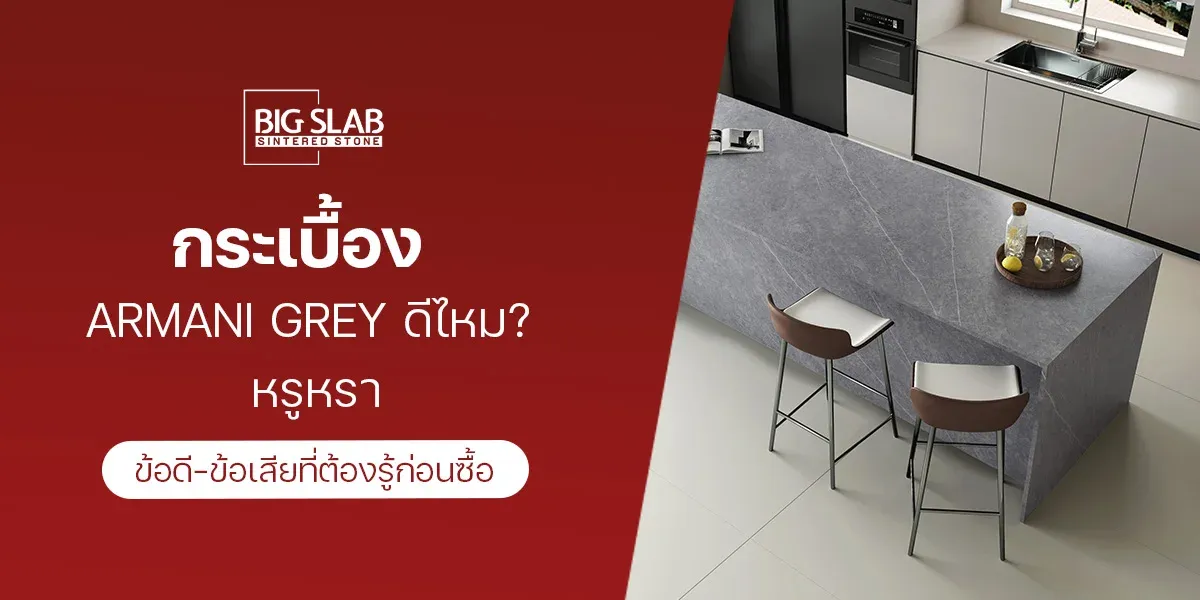
In an era where interiors are all about “understated luxury with style”, grey has become a perennial favourite — especially in the floor and wall materials that give a space its modern, premium edge. One of the most talked-about options right now is a tile called Armani Grey, which reads as luxurious and remarkably close to natural stone, yet is far easier to live with. This article takes a closer look at whether it really lives up to the hype, weighing the pros and cons and showing you how to choose wisely before you buy.
1. What are Armani Grey tiles, and why are they so popular?
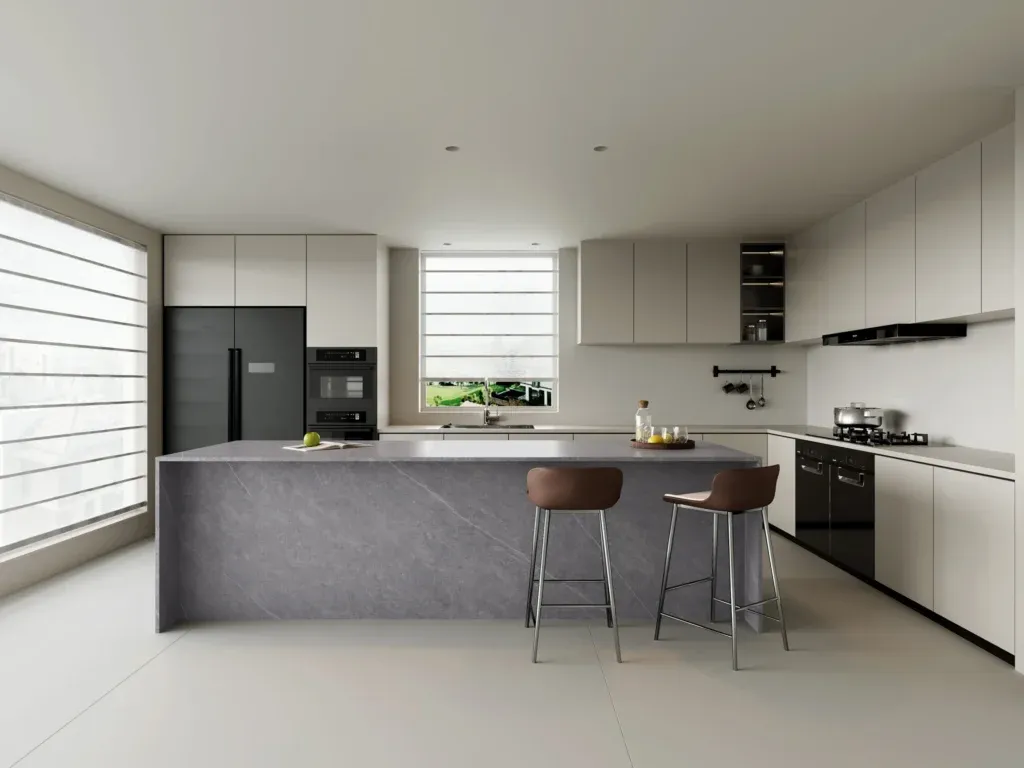
Armani Grey is a marble-look tile in shades of deep and soft grey, defined by mineral veining that mirrors natural stone — luxurious, contemporary, and full of depth.
Most versions are produced as Sintered Stone tiles or high-grade porcelain, pressed and fired at extreme temperatures for strength, durability, and remarkable versatility.
Its popularity comes down to a few things:
- Grey works with almost any style — Modern, Luxury, Minimal
- It looks close to natural stone at a far more accessible price
- It suits floors, walls, and decorative work such as kitchen countertops
2. The pros and cons of Armani Grey tiles you should know before deciding
Pros
- Premium good looks: the stone veining reads as natural and instantly lifts a home
- Highly durable: especially the Sintered Stone tile versions, which are strong and scratch-resistant
- Easy to maintain: water doesn't penetrate and stains don't set easily
- Versatile: works on floors, walls, and as shelving
- Doesn't date: a grey tile palette is a classic that lasts
Cons
- Pricier than standard tiles: particularly in large formats or premium grades
- Installation calls for professionals: the slabs are large and heavy
- Patterns can repeat in some ranges: lower grades won't have the seamless look of real stone
- Some surfaces can be slippery: polished finishes in particular need care in wet areas
3. Where do Armani Grey tiles work best?
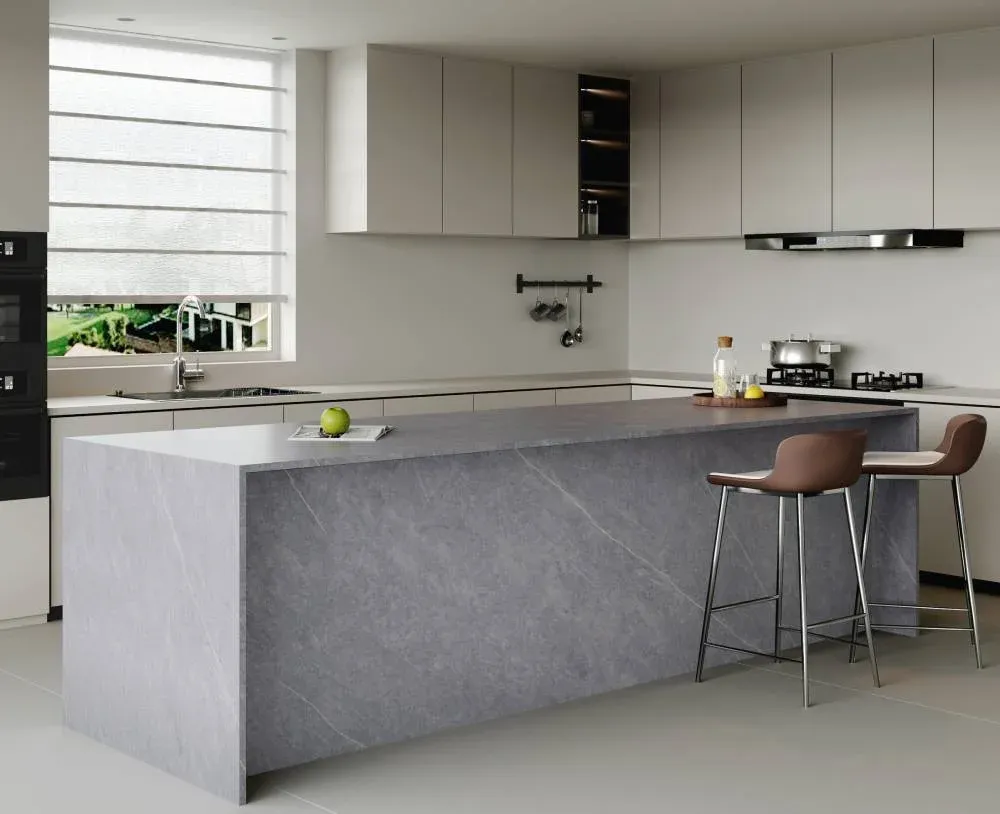
Armani Grey tiles suit a wide range of applications, including:
- Living rooms: on floors or walls for an instant lift, giving your living room a genuine sense of luxury — perfect for entertaining guests and for photographs worth keeping
- Bathrooms: on walls or floors; opt for a slip-resistant finish so the room stays comfortable and safe to use
- Kitchens: commonly used for countertops or backsplashes, for a kitchen that looks beautiful and thoroughly modern
- Feature walls: a TV wall, for instance, or an entrance hall
It's ideal for homes after a modern, understated, expensive look without resorting to real stone.
4. Armani Grey tiles vs. standard grey tiles
| Category | Armani Grey | Standard grey tiles |
| Appearance | Luxurious natural-stone veining | Flat colour, ordinary pattern |
| Premium feel | High | Moderate |
| Price | Higher | Lower |
| Applications | Floors, walls, countertops | Mostly flooring |
| Durability | High (especially Sintered Stone) | Depends on the grade |
In short: if you want something simple on a tighter budget, a standard grey tile will do the job. But if you're after luxury and something out of the ordinary, Armani Grey is the better answer.
5. How much do Armani Grey tiles cost?
The price of Armani Grey depends on several factors — size, thickness, and material. As a guide, prices start at 4,000 baht per m². Premium-grade Sintered Stone costs more, but you're paying for durability and a much longer service life.
6. How to choose the right Armani Grey tile for your home
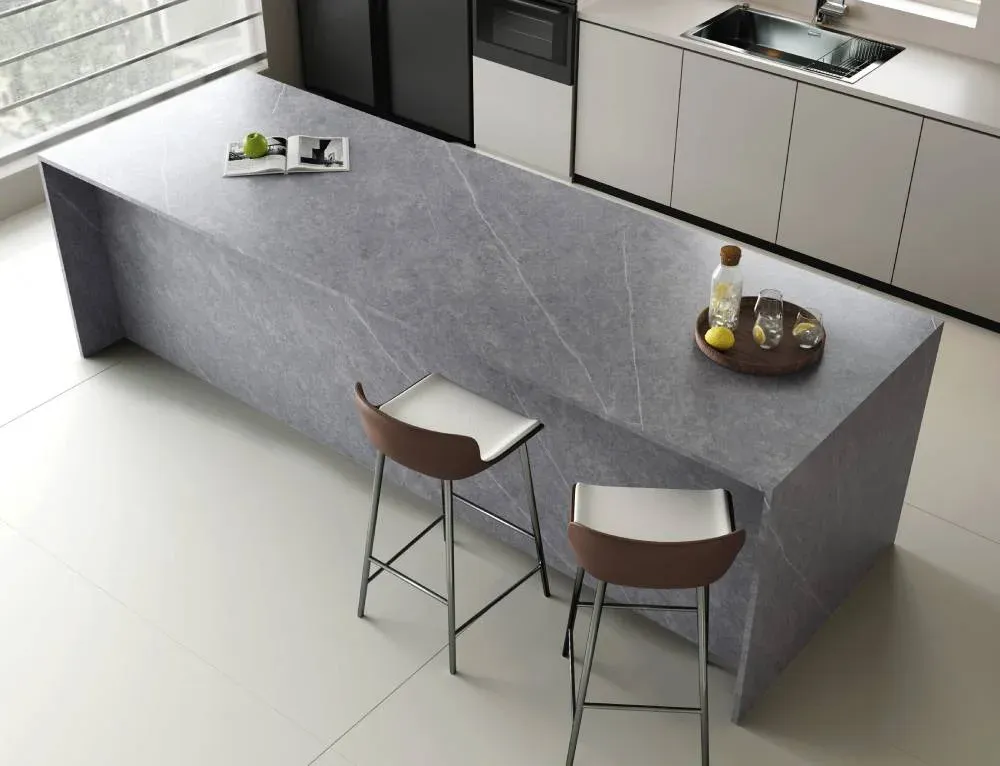
To get the most for your money, keep these points in mind:
- Match the tone to your home. Some ranges run to deep grey, others to soft grey — choose one that sits well with your furniture, so the finished space looks beautiful and feels comfortable to live in
- Match the finish to the space. Polished surfaces suit walls, while matt tiles are better underfoot because they do a great deal to reduce slipping
- Check the pattern. Go for a range with minimal repetition — it will read much more like natural stone and make the house look better for it
- Match the format to the space. Larger slabs mean fewer joints, which reads as more luxurious
- Choose the right grade. For heavy-duty use such as shelving, go with Sintered Stone
7. Frequently asked questions about Armani Grey tiles
Q: Are Armani Grey tiles slippery?
A: Polished finishes can be slippery — choose a matt surface for wet areas.
Q: Can they be used for kitchen countertops?
A: Yes, particularly the Sintered Stone tile versions, which resist both heat and scratching.
Q: Are they really different from natural marble?
A: The look is very close, but it's easier to maintain and less expensive.
Q: Can they be used outdoors?
A: Yes, provided you choose a grade rated for exterior use.
8. In summary
Armani Grey tiles are a strong answer for anyone who wants a home that looks luxurious, modern, and expensive in a tasteful way — thanks to veining that comes close to natural stone and genuine strength and durability, especially in the Sintered Stone versions.
They cost more than standard tiles, but taking the long view — the beauty, the longevity, and what they do for the look of your home — they're well worth the investment.
If you're looking for a material that raises your home to something more premium, Armani Grey is one option not to overlook.
If you'd like beautiful tiles for your floors, you can order from BIG SLAB SHOW ROOM on 081-3719610, or come and see product samples on our Facebook page: “BIG SLAB Sintered Stone – imported large-format tiles”. We're always happy to advise so you end up with exactly the right tile to make your home beautiful.

Featured in this article
Armani Grey
Silk